
One of the most common questions patients ask before treatment is how long lip fillers typically last. There is no single answer, because the outcome depends on the specific product used, individual metabolism, lifestyle, and how closely a patient follows aftercare instructions. Two people can sit in the same chair, receive the same product from the same injector on the same afternoon, and still see noticeably different results a few months later. That variation is simply part of how hyaluronic acid lip filler behaves once it is in the body.
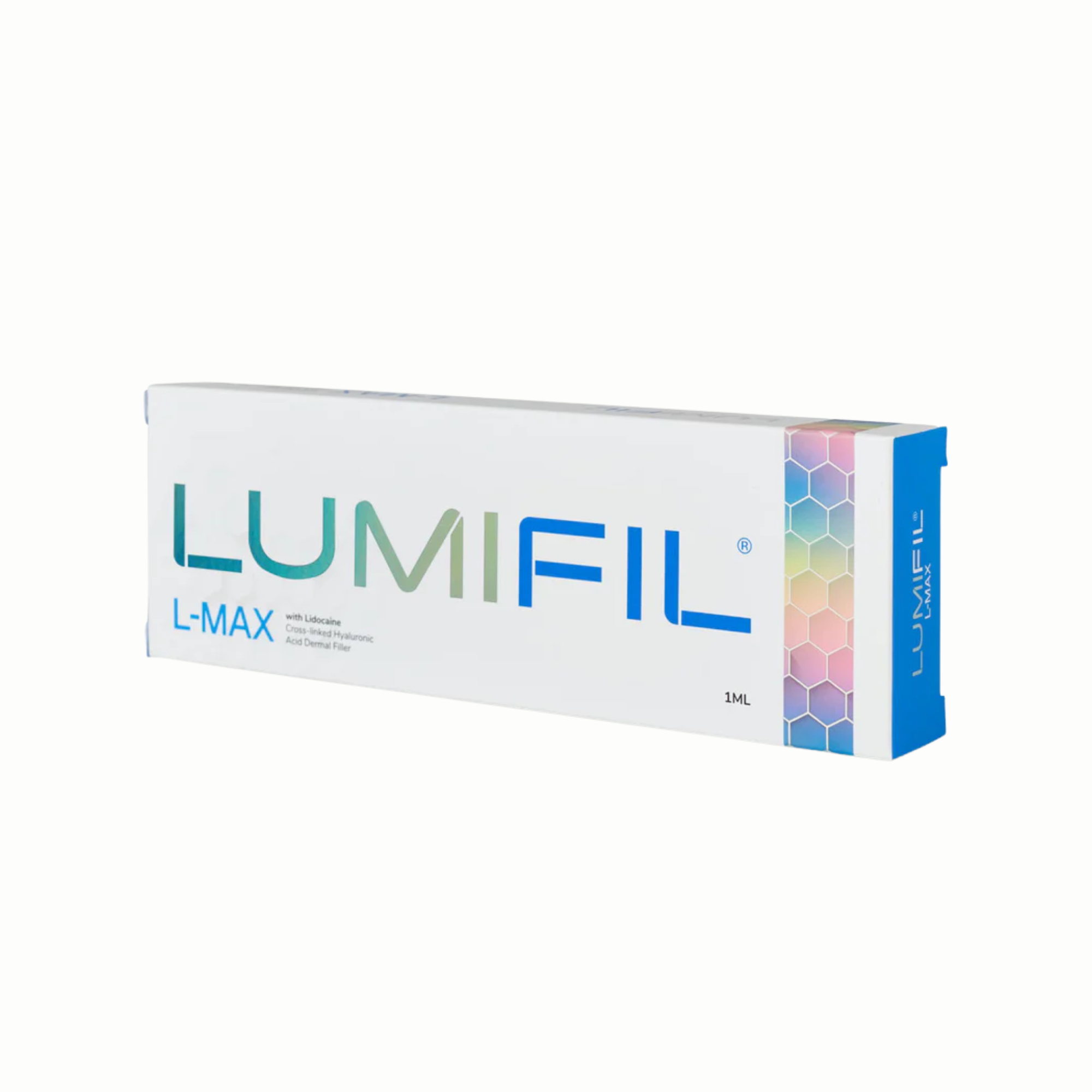
Lumifil, sometimes sold under the name Lumifil Filler and often paired with a Lumifil Skin Booster for added hydration, has become one of the more widely used options in this category. This guide explains what Lumifil is, roughly how long it lasts, what speeds up or slows down that timeline, and what patients can do to extend their results.
What Lumifil Actually Is
Lumifil belongs to the broader family of dermal fillers for lips and is built on a hyaluronic acid base, designed to add volume and refine shape. Because hyaluronic acid already exists naturally in the body, it tends to settle into surrounding tissue rather than sitting visibly on top of it, which is part of why it is considered among the more natural-looking lip fillers currently available.
Patients choose lip filler treatment for a range of reasons: added volume for naturally thin lips, a reshaped lip line, correction of minor asymmetry between the top and bottom lip, or simply a subtle lift without anything dramatic. Because the formulation allows for precise placement, an experienced injector can target specific points, such as the cupid’s bow or the corners of the mouth, rather than uniformly increasing volume throughout.
How Long Do Dermal Fillers Last in Lips?
Most hyaluronic acid lip fillers, Lumifil included, last somewhere between six and twelve months. Where any individual patient falls within that window depends on a combination of factors.
Metabolism is the largest single influence. Some people break hyaluronic acid down considerably faster than others, and this is mostly a matter of biology rather than something within anyone’s control. Lifestyle plays a part too, since increased sun exposure and strenuous activity tend to speed up the breakdown process. The product itself matters as well, with denser, more heavily cross-linked formulations generally outlasting lighter, subtler ones.
Technique and the amount of product used also shape the outcome. A larger volume, applied with care, tends to last longer than a small touch-up. First-time patients, in particular, often notice their results fading a little faster than they will at later appointments, since maintenance sessions build on filler that has already settled.
What Happens to Lip Filler Results Over Time?
In the first day or two after treatment, lips usually look fuller than the eventual result, since mild swelling at this stage is completely normal. Once that subsides, the true shape becomes visible.
Over the following weeks, the filler integrates fully into the surrounding tissue, and any minor unevenness caused by initial swelling tends to resolve on its own. From there, the breakdown is gradual rather than sudden, occurring as the hyaluronic acid is slowly absorbed by the body. Signs that a refresh may be due include noticeably less fullness, a softer or less defined border, or visible asymmetry as one side wears down faster than the other. The Lumifil Skin Booster, used separately, focuses on hydration and skin elasticity rather than volume, and a number of patients incorporate both into their broader treatment plan.
Factors That Influence Longevity
Metabolism remains the biggest variable and is largely outside anyone’s control. Lip movement matters too, since lips remain in near-constant motion through speaking, eating, and smiling, and that repeated activity can wear filler down faster than it would in quieter areas of the face.
Lifestyle habits add up as well. Regular exercise increases circulation, which can accelerate breakdown. Smoking restricts blood flow and tends to shorten how long results hold. Sun exposure gradually degrades hyaluronic acid, making protection for the lips just as important as protection for the rest of the skin. Adequate hydration genuinely helps, since filler retains water more effectively when the body has enough to draw on.
Lip Filler Aftercare
Proper lip filler aftercare, particularly during the first few days, makes a tangible difference to how the final result settles. Drinking more water than usual, using an SPF-protected lip balm to guard against sun-related breakdown, and cutting back on smoking, given how directly it affects circulation, are the habits most practitioners recommend.
Booking a lip filler top-up before results have fully faded, rather than waiting until volume is gone entirely, generally produces a smoother, more seamless transition for ongoing lip enhancement filler maintenance.
Are Touch-Ups Necessary?
Not strictly, although many patients schedule one around the eight-to-ten-month mark, before the filler has fully dissolved. Topping up early tends to look more seamless than letting results wear off completely before starting again. Whatever the timeline, working with an experienced practitioner at every visit, not just the first, remains essential, since technique continues to influence the outcome at every stage.
Is Lumifil the Right Choice?
Lumifil tends to suit patients seeking subtle to moderate enhancement, those correcting minor asymmetry, or anyone drawn to a hyaluronic acid option known for relatively long-lasting performance. Keeping expectations realistic matters, since fillers enhance existing features rather than reshape the lips entirely. A proper consultation with an experienced practitioner remains the most reliable way to determine suitability for this kind of lip filler treatment.
Conclusion
How long lip fillers last comes down, in the end, to the individual: metabolism, daily habits, and the product chosen all play a part. Lumifil offers a hyaluronic acid-based option built with longevity in mind, though aftercare matters just as much to the outcome as the skill of the person performing the treatment. Anyone weighing this option should speak with an experienced provider who can offer guidance specific to their situation rather than general averages.
Frequently Asked Questions
How long do Lumifil lip fillers typically last?
Generally between six and twelve months, though individual results vary considerably.
What factors affect lip filler results?
The amount of lip movement, lifestyle habits, injection technique, and the volume of product used all contribute.
Can lip filler longevity be extended?
Yes. Staying hydrated, limiting sun exposure, reducing smoking, and following aftercare guidance all support longer-lasting results.
When is the right time for a touch-up?
Most patients book one around eight to ten months after treatment, before volume has fully faded.
Do first-time treatments wear off faster?
Often, yes. Initial sessions tend to fade quicker than maintenance treatments, which build on existing filler.
Can lip filler be reversed?
Generally, yes. Hyaluronic acid fillers can usually be dissolved with an enzyme treatment, something worth discussing directly with a practitioner.
What should be avoided after treatment?
Prolonged sun exposure, smoking, and intense exercise are generally best avoided for a few days afterward.
How can patients tell when a refill is due?
Reduced fullness, a softer border, or visible asymmetry between the two sides are the most common signs.