Skincare trends arrive and fade quickly enough that telling genuine innovation apart from clever polynucleotide skin booster marketing is not always easy. Polynucleotide treatment is one of the few recent additions to aesthetic medicine that has built its reputation on measurable results rather than promotional claims. Unlike dermal fillers, which add volume, or muscle-relaxing injections, which limit movement, this treatment works on something different entirely: the skin’s own ability to repair and regenerate itself over time.
What Polynucleotides Are?
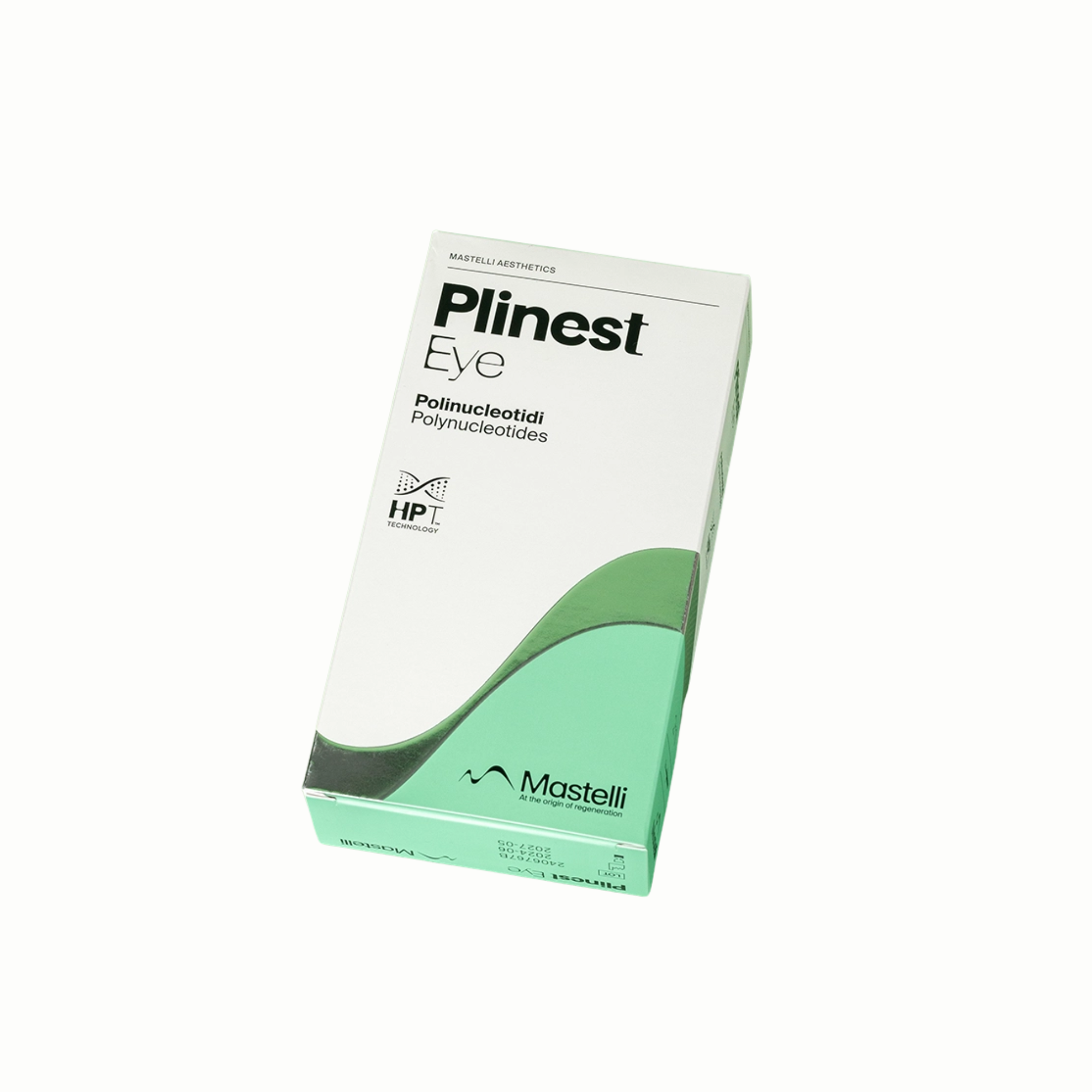
Polynucleotides are a sequence of nucleotides, which are the basic building blocks of DNA. For aesthetic use, they are usually obtained from purified salmon DNA and then manufactured into a safe form for injection into human tissue, which is well tolerated. The origin of the molecule matters less than its function, and its capacity to stimulate cellular repair has been well documented in clinical literature.
Once injected, polynucleotides act as a kind of signal to the surrounding tissue. They encourage fibroblasts, the cells responsible for producing collagen and elastin, to become more active. They also appear to support better hydration at a cellular level and reduce localised inflammation. The combined effect is skin that improves in condition from within, rather than skin that has simply been temporarily plumped from the outside.
How Does Polynucleotide Skin Treatment Work in Practice?
Each treatment consists of several micro-injections that are applied over a treatment area, usually the under-eye area, cheeks, neck or on acne-scarring regions. The solution is injected with a fine needle or cannula into the skin just below it.
The discomfort is usually mild, sometimes likened to a light pinch, and most appointments take less than an hour. One notable difference from dermal filler is the absence of any immediate volumising effect. There is no dramatic change on the day itself. Improvement builds gradually over the following weeks, as the body responds to the biological signal it has received. Most practitioners recommend a course of three to four sessions, spaced two to four weeks apart, followed by occasional maintenance visits roughly every six months.
Polynucleotide Skin Booster Benefits
The beauty of this treatment is not necessarily in any one big change, but in a string of little ones that culminate in time. Texture tends to become more even. Fine lines soften, particularly around the eyes. Overall skin tone improves, and the dull, tired appearance many patients associate with stress or poor sleep tends to fade. For those dealing with acne scarring, the treatment’s ability to support tissue repair can produce a meaningful visible difference across a course of sessions.
The safety profile is worth mentioning as well. Because the treatment works with the body’s own repair mechanisms rather than introducing a foreign volumising substance, the risk of an unnatural or overdone appearance remains low, which has contributed significantly to this category’s growing popularity among patients seeking subtle, natural-looking improvement.
Polynucleotide Skin Booster Results: What to Expect
Patience matters considerably with this treatment. A single session will not produce a dramatic visible change, and this is expected rather than a sign that something has gone wrong. Subtle improvements in hydration and texture typically appear within two to three weeks of the first session. The more noticeable changes – firmer texture, reduced fine lines, an overall healthier look – build progressively across the full course of treatment and tend to become most visible two to three months after the final session.
Anyone reviewing polynucleotide treatment results will notice a consistent theme across most documented cases: the change is slow and cumulative rather than instant, and this gradual quality is precisely what allows the outcome to look so natural once it has fully settled.
Polynucleotide Skin Booster Before and After
Looking through polynucleotide skin booster before and after documentation, the most striking element is rarely a dramatic volume shift but rather a quieter improvement in overall skin quality. Pores often appear smaller, skin texture looks noticeably smoother under direct light, and the under-eye area in particular tends to show meaningful improvement in both colour and texture, an area where this treatment frequently outperforms dermal filler entirely. These comparisons offer a realistic sense of what gradual improvement actually looks like, rather than an unrealistic instant transformation.
Polynucleotide vs Skin Booster: Clearing Up the Terminology
This question comes up frequently, and the confusion is understandable. Skin boosters, as a broad category, include a range of injectable treatments designed to improve skin quality rather than add volume, and hyaluronic acid-based versions have been around for considerably longer. Polynucleotide injections sit within that same general category but work through a distinct mechanism, focused specifically on triggering tissue repair rather than primarily delivering hydration.
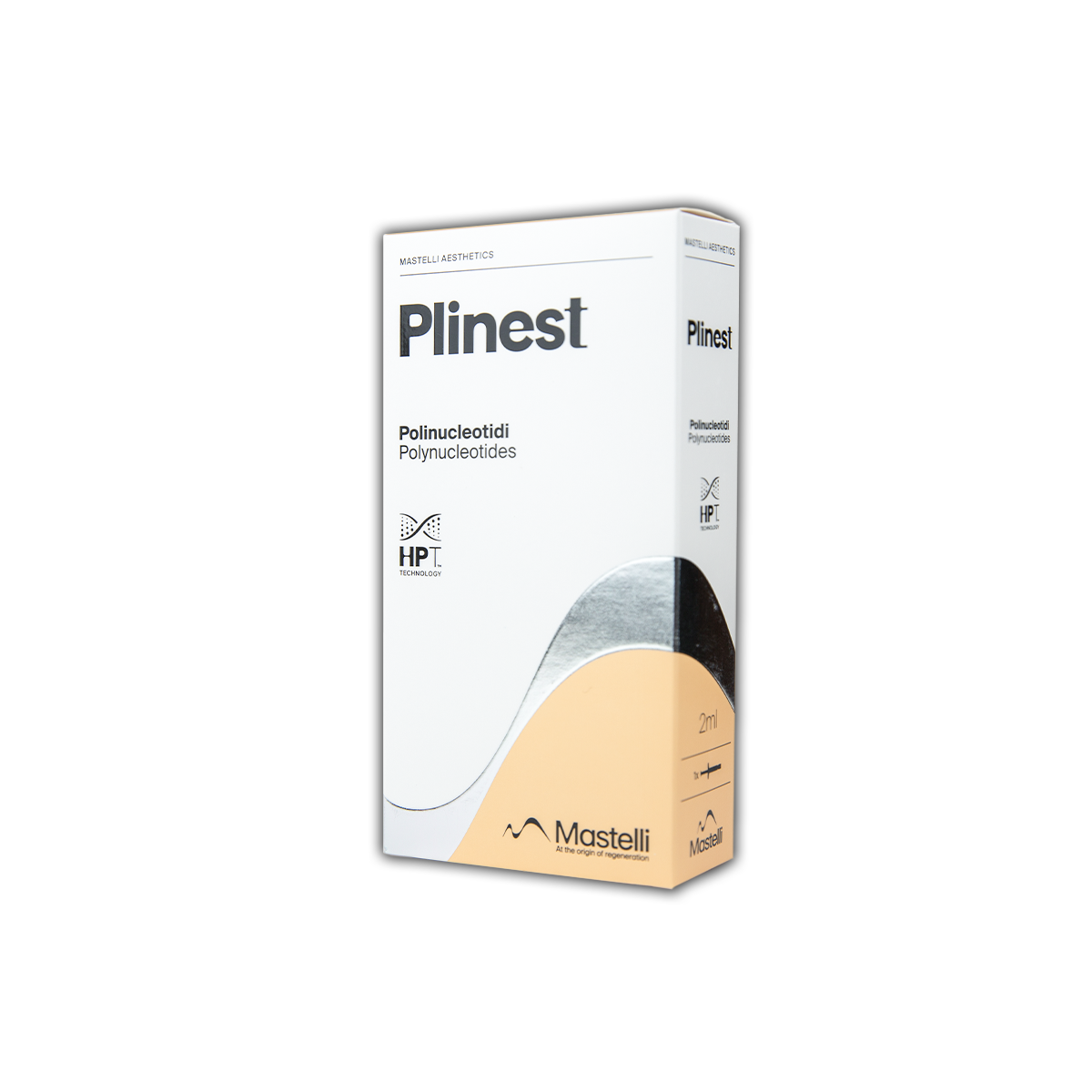
Put simply, every polynucleotide treatment qualifies as a type of skin booster, though not every skin booster relies on polynucleotides. Two of the more recognised products in this space are Polynucleotides Plinest and the Lumifil Skin Booster, each formulated at different concentrations depending on the treatment area and the specific concern being addressed. An experienced practitioner will be able to advise which option suits a particular patient rather than defaulting to whatever happens to be in stock.
A Closer Look at Plinest Skin Booster
The Plinest Skin Booster is among the more established polynucleotide-based products on the market, frequently used for under-eye rejuvenation, general improvement in skin quality, and recovery from acne scarring. It comes formulated at varying concentrations depending on the area treated, allowing practitioners to tailor sessions with a level of precision that a uniform, one-size-fits-all product would not allow.
Who Tends to Benefit Most
This treatment is recommended for people who want to make a natural improvement in their skin’s quality in a gradual manner, without seeking for dramatic volumizing changes. It is ideal for addressing concerns around the eyes, early signs of ageing, dryness and acne scarring. Like any type of injectable treatment, an extensive examination and consultation with a skilled practitioner is the most effective means of finding out if this is the proper treatment.
Conclusion
The Polynucleotide Skin Booster represents a genuinely distinct approach within aesthetic medicine, one built around supporting the body’s own repair processes rather than simply adding volume. Results take time to fully develop, but that gradual buildup is exactly what produces such a natural-looking outcome. Anyone considering this treatment should speak with a practitioner who can advise on which formulation, whether Plinest, Lumifil, or another option, best suits their individual skin.
Frequently Asked Questions
Does it actually hurt?
Most people describe it as a quick pinching feeling rather than pain, and it’s over within the hour-long appointment.
When will I actually notice a difference?
Don’t expect anything in the first week. Hydration and texture start shifting around the two-to-three-week point, but the real result takes two to three months to fully show.
Plinest or Lumifil: does it matter which one I get?
Both work on the same polynucleotide principle, just at different strengths depending on where you’re being treated. Your practitioner should be the one steering that decision, not you guessing online.
Will my face look swollen or different right after?
Some mild puffiness, maybe a tiny bump near each injection point, but nothing dramatic. You can usually go about your day.
Can I get this alongside other treatments?
Yes, plenty of people pair it with something like a Lumifil Skin Booster. Just run it past your practitioner first rather than assuming it’s fine.
Is this only for older skin?
No, younger patients use it too, often for acne scarring or just general skin quality, not exclusively anti-ageing reasons.
Do I need to keep doing it forever?
Not forever, but most people come back roughly every six months once the initial course is done, just to keep results topped up.