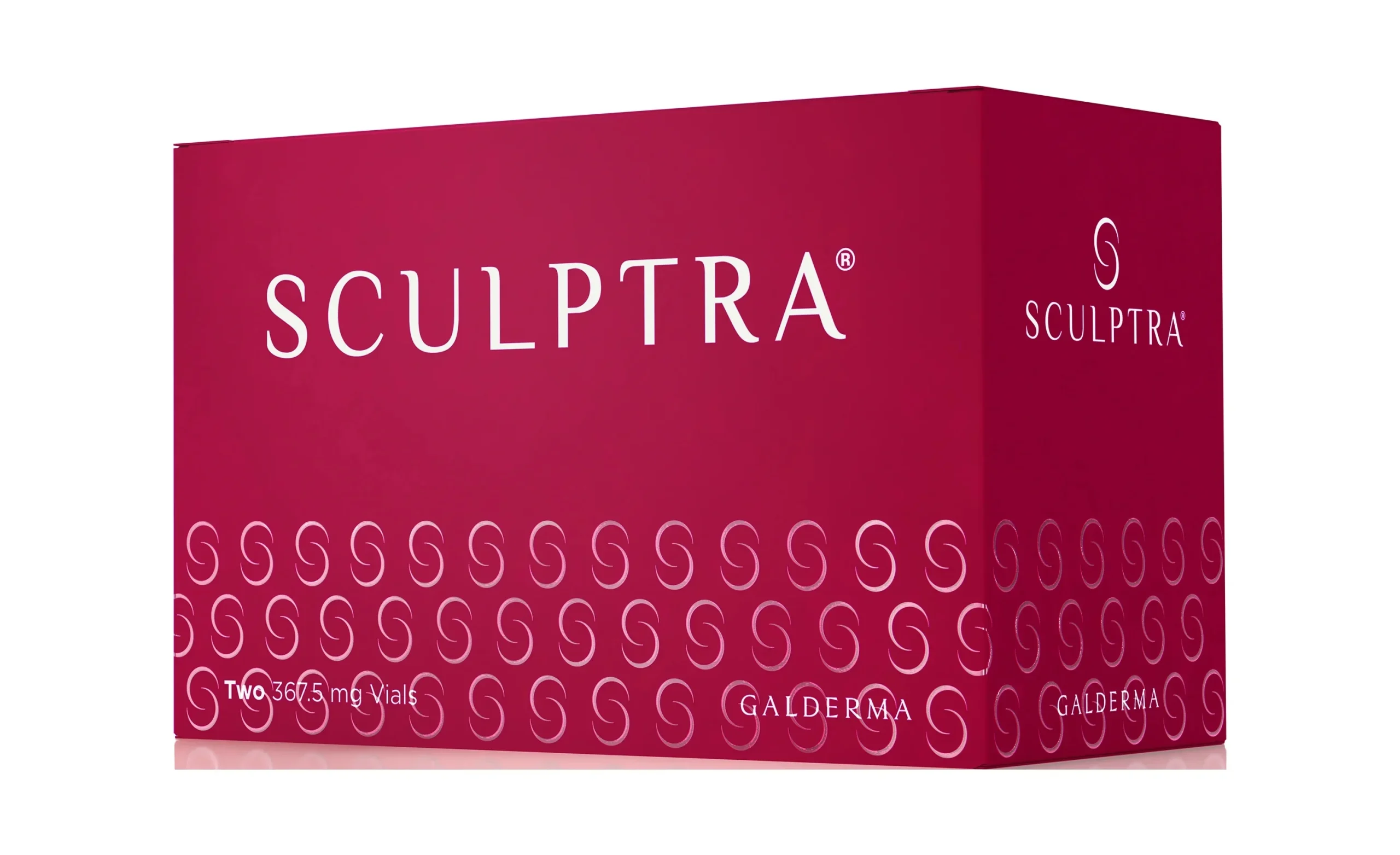
Sculptra 600600 (2 Vials)
-
Free shipping on all orders over £200
Patients who select most injectables must wait one week until swelling settles before treatment effects appear in full. Sculptra requires three months from the start yet its results last two years or more once they develop. Practitioners who grasp how the product works view that extended timeline as the core reason for its appeal in practice.
What Sculptra Actually Is?
Sculptra does not function as a dermal filler according to its role in procedures. Galderma manufactures the product as a collagen biostimulator and this distinction shapes the way sculptra treatment is planned along with patient counselling plus the experience patients go through in the weeks after injection. The active ingredient consists of poly-L-lactic acid or PLLA which serves as a synthetic biodegradable compound that practitioners have used for more than 25 years in aesthetic dermatology to address volume loss along with skin laxity and wrinkle correction.
Practitioners receive each vial as a lyophilised powder and they reconstitute it with sterile water in preparation for the procedure. Injection of PLLA microparticles leads to macrophage activity which then activates fibroblasts and starts new collagen and elastin synthesis with histological studies that confirm type I along with type III collagen deposition showing an increase in the period from 6 to 24 months post-injection. Sculptra avoids filling a fold in the skin and instead helps inject collagen through the body’s natural regenerative response.
Key Benefits
Researchers point to two randomised controlled trials published in recent times that build support for Sculptra in practice.
One 2025 multicenter study with 331 subjects showed Sculptra produced 90.57 per cent improvement in midfacial volume at 12 months and it outperformed hyaluronic acid fillers. A different 2024 trial in the Journal of Drugs in Dermatology involving 260 participants recorded 67.6 per cent improvement in wrinkle severity at 52 weeks. Patient satisfaction reached above 90 per cent for skin radiance and firmness while 84 per cent indicated they wanted repeat treatment, with many clinics documenting sculptra before and after outcomes that reflect these findings.
| Study | Year | Key Finding | Source |
| Multicenter RCT, 331 subjects | 2025 | 90.57% midfacial volume improvement at 12 months, outperforming HA fillers | PMC12273185 |
| RCT, cheek wrinkles, 260 subjects | 2024 | 67.6% wrinkle severity improvement at 52 weeks; >90% patient satisfaction | JDDonline |
| Systematic reviews and durability data | 2024–2025 | High durability, low adverse event profile across facial and body applications | Springer 2025; PMC11435306 |
Treatment Areas
Sculptra’s established indications cover the regions most affected by age-related volume loss.
Midface and cheeks remain the primary target structural volume deficit here drives much of the facial ageing patients find most confronting, and Sculptra addresses the foundation rather than layering gel on top of it. Nasolabial folds and marionette lines benefit from the gradual approach, reducing the risk of overfilling that high-volume HA treatment can produce. Temples are frequently undertreated in aesthetic practice despite their significant contribution to an aged appearance; Sculptra’s low-volume, graduated delivery suits this area well. Jawline and chin work tends toward subtle contouring rather than augmentation. Unlike a traditional sculptra filler, the product works by stimulating collagen production over time.
Beyond the face, the Cleveland Clinic notes Sculptra’s established use for HIV-related facial lipoatrophy and emerging body applications including the buttocks, thighs, and arms. Use near the periorbital region is not recommended. Injections into the lip vermillion border are contraindicated.
Side Effects and Safety
The adverse event profile is well documented across decades of clinical use.
| Adverse Event | Timing | Clinical Notes |
| Swelling, redness, bruising | Immediate to 72 hours | Transient; resolves without intervention in most cases |
| Subcutaneous papules or nodules | Delayed (weeks to months) | Risk is reduced significantly by correct reconstitution volume and injection depth |
| Vision impairment, vascular occlusion | Immediate | Rare but serious; specific to intravascular dermal fillers injection; underscores the requirement for trained practitioners |
Per Galderma’s post-approval clinical trial data, papules, nodules, and swelling are the most frequently reported adverse events, most resolving without intervention. Serious risks, including vision impairment, cerebral ischaemia, and skin necrosis, are rare and tied specifically to intravascular injection. Sculptra is not a product for inexperienced hands.
Contraindications: active skin infection at the intended injection site, known allergy to PLLA components, and a history of keloid formation or hypertrophic scarring.
Why Buy Sculptra from Vibe Pharma?
Vibe Pharma provides the 2-vial pack for professionals through its status as a GPhC-registered pharmacy operating in the UK under NHS standards. Clinical assessment governs use even though the pack fits single-session volumes. A professional login protects details on pricing and current stock levels. The prescription-only classification of injectable implants in the UK accounts for these measures, including combination approaches such as profhilo sculptra where clinically appropriate.
| Price | Prescription item zero VAT (£289.00), Stock item VAT payable |
|---|
Frequently Asked Questions About Sculptra 600600 (2 Vials)
Is Sculptra a Dermal Filler?
Technically, no. Classification places Sculptra in the category of collagen biostimulator. Hyaluronic acid fillers occupy space beneath the skin. Sculptra activates fibroblast activity within the body to produce collagen over a period. The outcome comes from the biology of the patient instead of material introduced from outside.
Can Members of The Public Buy Sculptra?
No. Sculptra is prescription-only in the UK and restricted to verified healthcare and aesthetic professionals. Vibe Pharma enforces this through a gated login, a compliance requirement rather than a commercial barrier.
Does Sculptra Provide Immediate Results?
The initial swelling post-injection creates a temporary apparent volume, but this comes from the reconstitution fluid, not the PLLA. Within 2–5 days that fluid absorbs and the treated areas may look unchanged. PLLA particles remain active beneath the surface. Clear communication about this window is one of the most important parts of pre-treatment prep as patients wait for the process to inject collagen naturally.
How Long Does It Take to Work, And How Long Do Results Last?
Improvement starts around weeks 4 to 6 in many cases. Collagen response develops across 3 to 6 months after treatment. Peak outcomes appear between 6 and 12 months once patients finish the full course. The 2025 PMC study recorded 67.6 per cent improvement in wrinkle severity at 52 weeks together with patient satisfaction levels above 90 per cent.
How Long Do Sculptra Results Last?
A series of sculptra injections lasts two years or longer in practice. Factors such as age, metabolism, sun exposure and lifestyle affect how long effects continue. Cleveland Clinic confirms outcomes extend beyond two years for numerous patients.
Related Products
Sharpsafe 5 Litre Sharps Container
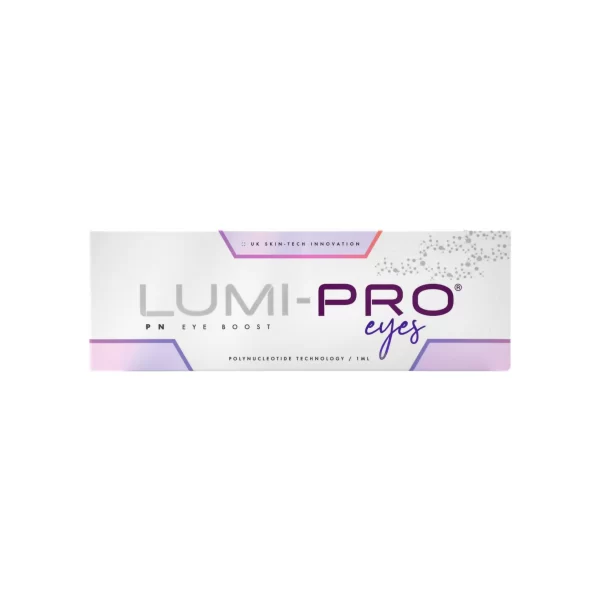
LUMI-PRO Eyes
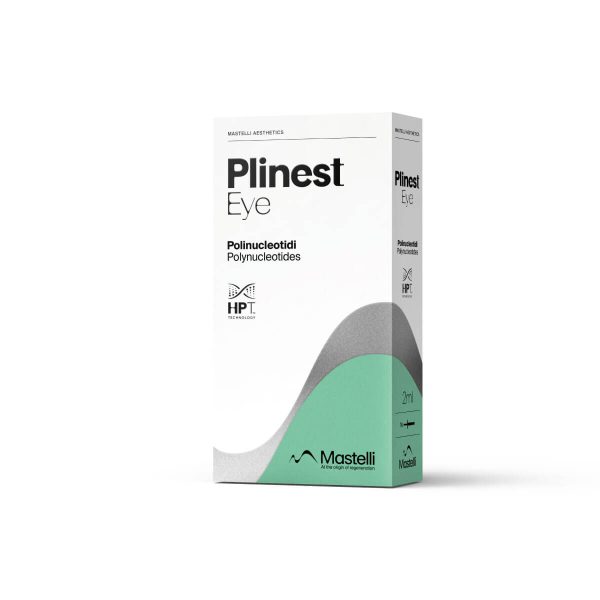
PLINEST Eye 1x2ml
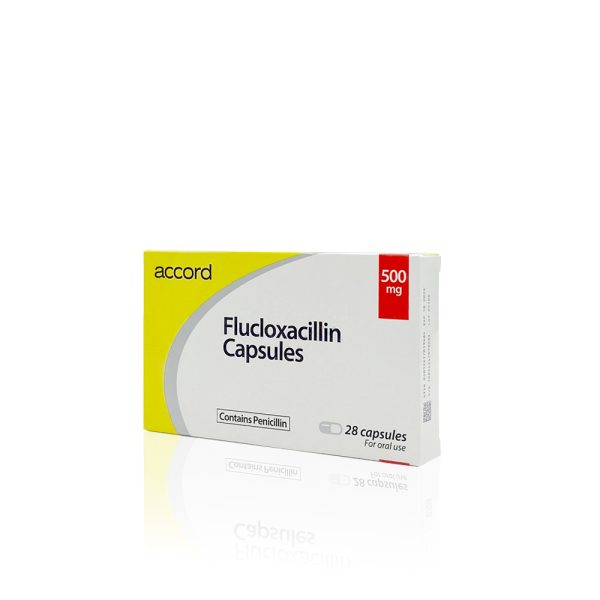
Flucloxacillin 500mg capsules 28
Recently Viewed Products