
Polynucleotide Injections
Please log in to view pricing
-
Free shipping on all orders over £200
Polynucleotide injections are skin boosters that refresh the face and neck. They work by increasing collagen, improving elasticity, and reducing lines and dark circles.
Polynucleotide injectable treatments repair the skin at a cellular level, rather than just adding volume or moisture. They are widely used in cosmetic medicine to support long-term healing, improve texture, and create natural-looking results.
Polynucleotide Injectable Treatment – Advanced Skin Rejuvenation
Polynucleotide injectable treatments help the skin repair and renew itself from within. They use purified DNA fragments that interact with skin cells to support healing, increase collagen, and improve elasticity.
Unlike traditional fillers, polynucleotide injections do not change your facial shape. Instead, they improve skin quality, making them a good option for those who want subtle, natural-looking results without noticeable changes.
This is why polynucleotides are a popular choice for non-surgical skin rejuvenation, especially for delicate areas like under the eyes, the neck, and aging skin.
Polynucleotide Injections
Polynucleotide injections are skin boosters that activate fibroblasts and help repair tissue. After treatment, they may reduce inflammation, strengthen the skin barrier, and support healthy cell function.
Because these injections improve skin from within, they are often part of facial rejuvenation plans that focus on long-term results rather than quick fixes. Clinics usually recommend them for people with tired, damaged, or early aging skin.
Polynucleotide Skin Booster
Polynucleotide skin booster treatments work to improve skin by increasing hydration, elasticity, and strength while supporting regeneration. Unlike hyaluronic acid boosters that mostly add moisture, polynucleotides help repair the skin’s deeper structure. This makes polynucleotide skin booster therapy especially helpful for improving skin thickness, texture, and tone, especially in areas that tend to thin or look tired.
How Polynucleotide Injections Work on the Skin
Collagen Production & Tissue Regeneration
Polynucleotides activate fibroblasts, which help the body produce more collagen and form new tissue. Over time, this leads to firmer, healthier skin.
Improving Elasticity & Hydration Levels
As the skin repairs itself and its structure improves, elasticity and hydration also improve over time.
Reduction of Lines, and dark polynucleotides strengthens the skin and improve circulation. This helps reduce fine lines, wrinkles, and dark circles under the eyes.he eyes.
Thanks to these regenerative effects, polynucleotides are considered tissue regeneration injectables.
Skin Concerns Treated by Polynucleotide Skin Boosters
Polynucleotide-based treatments can help with a wide range of concerns, including:
- Under-eye pigmentation and tear trough hollowing
- Ageing skin with fine lines and loss of elasticity loss
- Dull, dehydrated, or uneven skin texture
- Skin weakened by environmental stress or procedures.
These injections improve skin texture and help restore a healthy look without changing your facial features.
Types of Polynucleotide Skin Booster Products
PN vs PN-HPT Formulations
There are different types of polynucleotide products, like PN and PN-HPT, designed for different skin thicknesses and treatment areas.
Face, Neck & Eye-Specific Boosters
Some polynucleotide skin boosters are specially made for delicate areas such as under the eyes or the neck.
Comparison With Other Skin Boosters
Compared to HA boosters, PRP, or PDRN, polynucleotides offer longer-lasting regeneration rather than just temporary hydration or stimulation.
Clinics often carry a range of polynucleotide products, allowing them to tailor treatments to each person’s needs.
Treatment Areas for Polynucleotide Injectables
PolynucleotidPolynucleotide injectables can be used in several areas, including:s, forehead, smile lines
- Under-eye area
- Neck and décolletage
- Hands and other delicate areas
Because they are so versatile, polynucleotide injections are a good fit for full skin rejuvenation programs.
Benefits of Polynucleotide Injectable Treatment
- Long-lasting moisture and elasticity improvement
- Enhanced skin brightness and glow
- Reduced inflammation and faster healing
- Support for skin healing and restoration therapy
- Gradual, natural-looking anti-ageing results
These benefits make polynucleotides a popular choice for regenerative injectable skin treatments.
Why Choose Polynucleotide Skin Booster Products?
Clinics and patients choose polynucleotide-based treatments because they offer:
- Deep repair and regeneration
- Restoration of collagen and elastin
- Smoother texture and improved elasticity
- Minimal downtime and high tolerability
As skin booster treatments, polynucleotides fit well with today’s regenerative aesthetic approaches.
Clinical Use & Combination Treatments
Polynucleotide treatments are often combined with other procedures to get better results. They can be used with dermal fillers, botulinum toxin, or body treatments like fat-dissolving injections for the chin as part of a complete aesthetic plan.
Many clinics offer branded options like Plinest Polynucleotides or combine them with Plinest Skin Booster for complete skin rejuvenation treatments.
Who Is Suitable for Polynucleotide Injectable Treatments?
Polynucleotide injectable treatments are suitable for:
- Ageing or dehydrated skin
- Under-eye dark circles and fine lines
- Sensitive or damaged skin
- Patients pursuing natural rejuvenation
However, they might not be suitable for people with active infections or certain medical conditions that make injectables unsafe.
Polynucleotide injections rejuvenate the skin?
They stimulate collagen production, reduce inflammation, and support cellular repair.
They stimulate collagen production, reduce inflammation, and support cellular repair.
Are polynucleotides the same as PDRN or salmon DNA injectables?
They are related yet differ in structure and regenerative properties.
They are related yet differ in structure and regenerative properties.
Are polynucleotide injections safe?
When administered by trained professionals, they are considered safe and well-tolerated.
When administered by trained professionals, they are considered safe and well-tolerated.
How are polynucleotides different from hyaluronic acid skin boosters?
They focus on regeneration rather than hydration alone.
They focus on regeneration rather than hydration alone.
Are polynucleotides good for under-eye dark circles?
Yes, they are commonly used to improve under-eye skin quality and color.
Yes, they are commonly used to improve under-eye skin quality and color.
How many treatment sessions do I need?
Most protocols involve multiple sessions based on skin condition.
Most protocols involve multiple sessions based on skin condition.
When will I see results from polynucleotide injections?
Results develop gradually over several weeks.
Results develop gradually over several weeks.
How long do polynucleotide skin booster results last?
Results may last several months with maintenance treatments.
Results may last several months with maintenance treatments.
Are there side effects after treatment?
Mild redness or swelling may occur and usually resolves quickly.
Mild redness or swelling may occur and usually resolves quickly.
Can polynucleotides help with acne scars?
They may improve skin texture and healing over time.
They may improve skin texture and healing over time.
Can polynucleotides be used with fillers or Botox?
Yes, they integrate well into combination treatment plans.
Yes, they integrate well into combination treatment plans.
Are polynucleotide injections suitable for sensitive skin?
Yes, they are frequently selected for sensitive or compromised skin.
Yes, they are frequently selected for sensitive or compromised skin.
What is the difference between PN and PDRN?
They differ in chemical composition and regenerative mechanisms.
They differ in chemical composition and regenerative mechanisms.
Are polynucleotide skin boosters derived from salmon DNA?
Some formulations are derived from purified DNA sources.
Some formulations are derived from purified DNA sources.
Who should avoid polynucleotide injectable treatments?
Patients with active infections or contraindications should avoid treatment.
Patients with active infections or contraindications should avoid treatment.
| Price | Prescription item zero VAT (£60.00), Stock item VAT payable |
|---|
Related Products
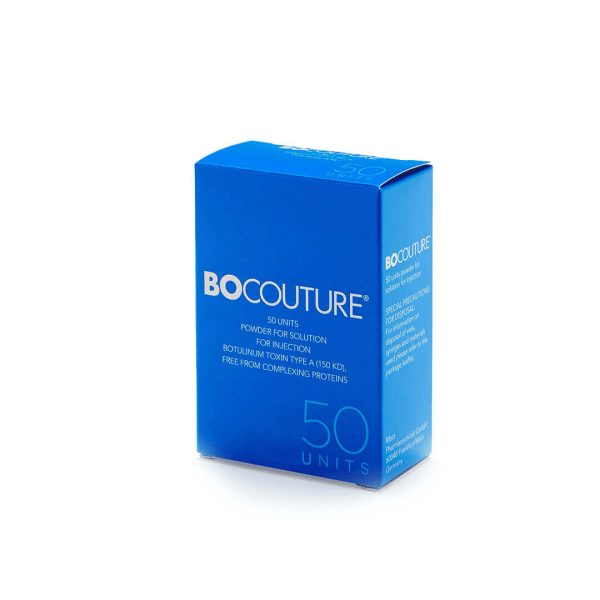
Bocouture 50u Vial
Please log in to view pricing
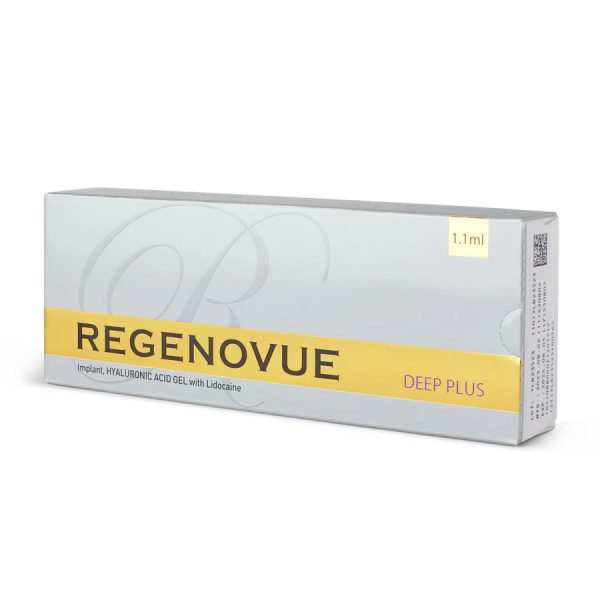
Regenovue Deep Dermal Filler - 1ml
Please log in to view pricing
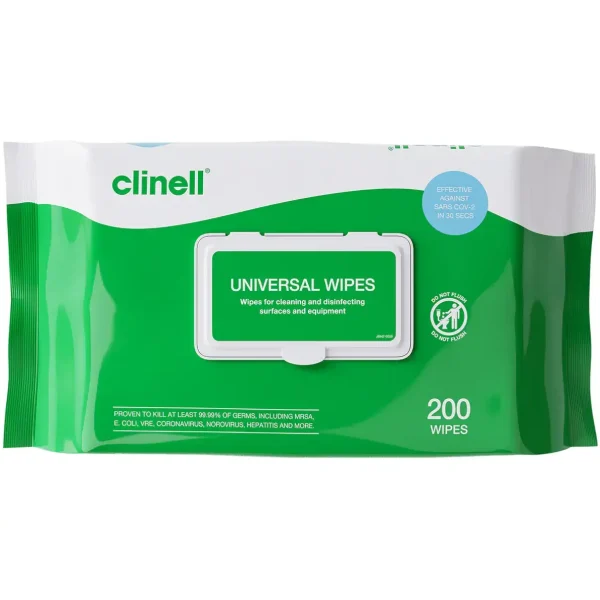
Clinell Wipes CW200 Universal Sanitising Anti-Bacterial x 200
Please log in to view pricing
Recently Viewed Products
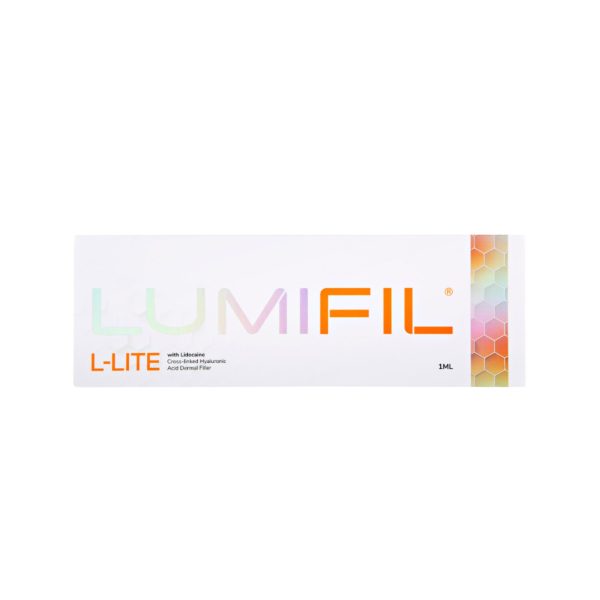
LUMIFIL® Lite
Please log in to view pricing
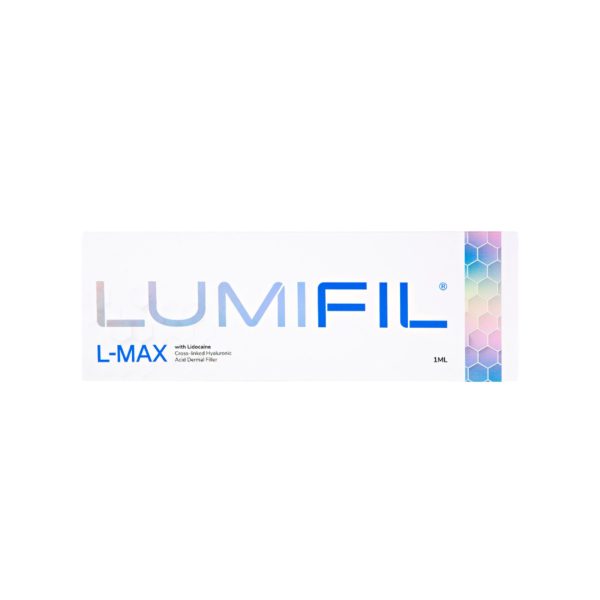
LUMIFIL® Max
Please log in to view pricing
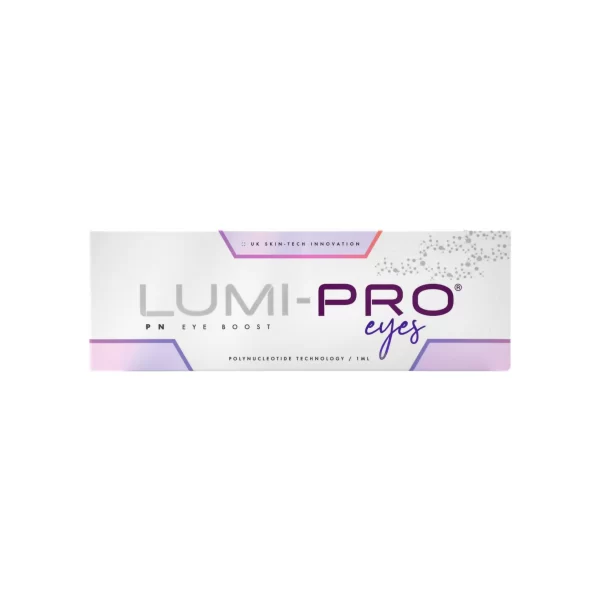
LUMI-PRO Eyes
Please log in to view pricing
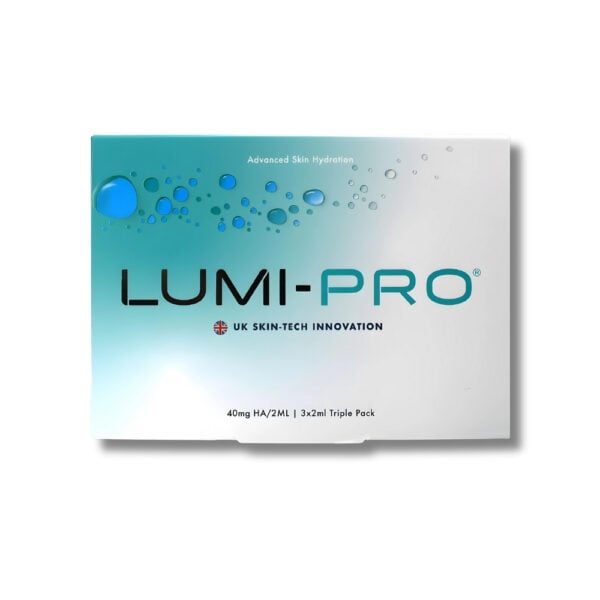
Lumifil LUMI-PRO Skin Booster (3 Pack)
Please log in to view pricing
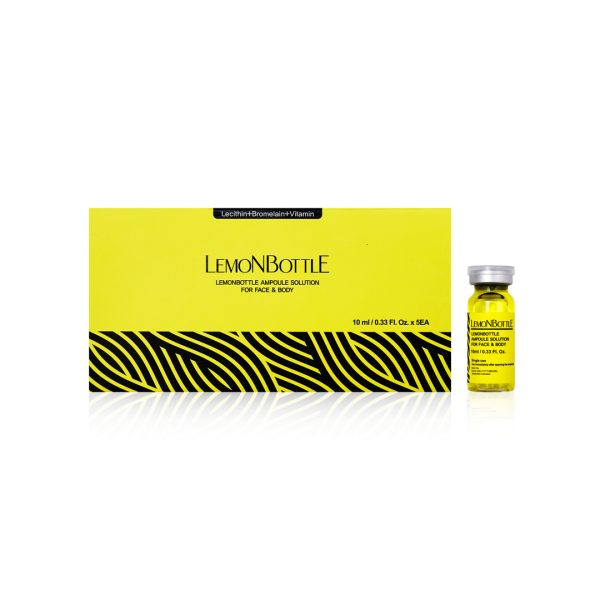
Lemon bottle, 5 Vials in a box
Please log in to view pricing