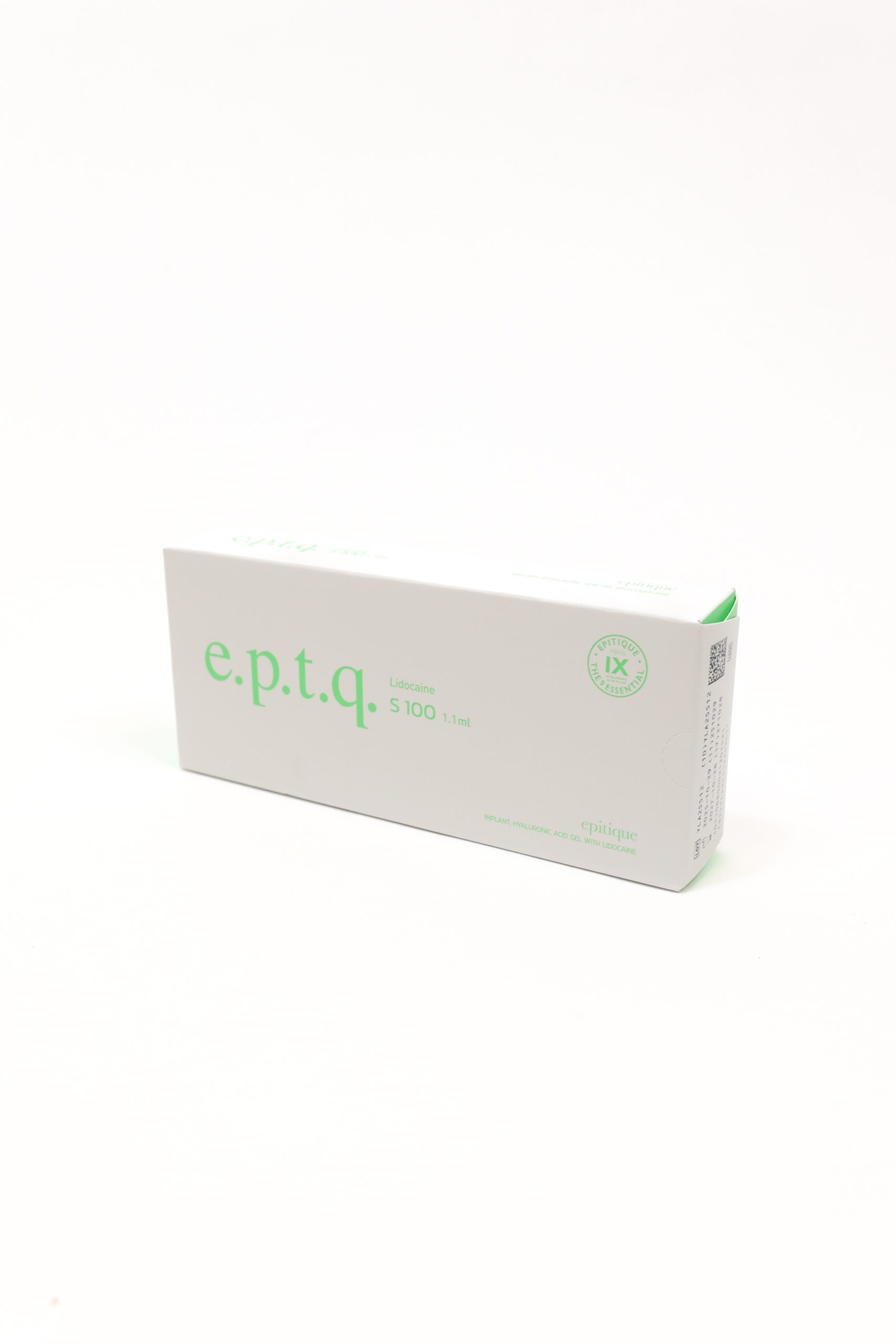
E.P.T.Q. S100 (1.1ML)
-
Free shipping on all orders over £200
There is a good reason why aestheticians consider the periorbital area different from all other facial zones. This zone is very thin and sensitive, even an incorrect layer can be detected immediately, and any mistake made using an EPTQ filler would show right away. Not many of the fillers out there are designed for such accuracy. But there is one that was designed just for this purpose. Produced in South Korea, with an exclusive nine-step quality process, this 1.1ml monophasic hyaluronic acid filler was created to correct all of the areas that no heavy fillers could take care of before. And once you know what is inside this syringe, there is no way to deny it.
What Is EPTQ S100?
EPTQ S100 is a hyaluronic acid-based dermal filler created by Jetema Co., Ltd. in South Korea. EPTQ stands for “Exquisite” and “Technique,” which highlights the manufacturer’s dedication to quality in terms of technique rather than quantity. EPTQ S100 is the product with the highest viscosity of the three products, the other two being EPTQ S300 with medium density and EPTQ S500 with high density. While all three products have the same formulation, the property that varies between them is their rheology, which determines their behaviour during the injection process and inside the tissue.
In essence, the core ingredients of EPTQ S100 are 24 mg/ml cross-linked hyaluronic acid and 0.3% lidocaine. The hyaluronic acid used in EPTQ S100 is of animal-free origin, and the cross-linking process is based on BDDE technology. What distinguishes this formulation is the degree of crosslinking efficiency; the manufacturer reports a Modification Degree of approximately 1%, meaning BDDE residue relative to HA molecules is kept extremely low. Clinically, lower residue correlates with reduced adverse tissue response.
The addition of 0.3% lidocaine is not merely cosmetic. Dermal injections at shallow depths are more painful than deep injections since nerve endings are closer to the surface. It makes sense to have an analgesic within the syringe rather than having an additional application process for the procedure.
The pH and osmotic pressure of EPTQ S100 are calibrated to match human tissue. The lack of compatibility between those values in the EPTQ filler material results in higher injection resistance and lower tissue tolerance, which leads to pain felt during the procedure and an irregular healing process. EPTQ S100 has been approved under CE 2292 certificate and is made in factories that have been certified ISO 13485 and GMP. This creates a useful filler vs skin booster topical relationship. The existing blog explicitly explains that skin boosters improve hydration, texture and elasticity while dermal fillers add localised volume or shape.
Product Specifications
| Specification | Detail |
| HA Concentration | 24 mg/ml, cross-linked, non-animal |
| Lidocaine | 0.3% (3 mg/ml) |
| Volume | 1.1ml pre-filled syringe |
| Needle | 30G (supplied) |
| Injection Depth | Upper to mid dermis |
| Viscosity Index | 100 (low density) |
| Result Duration | 6 to 12 months |
| Storage | 2°C to 25°C, no freezing, away from direct sunlight |
| Certifications | CE 2292, KFDA, ISO 13485, GMP |
| Format | Single-use, pre-filled, sterile |
Where EPTQ S100 Works and Why Depth Is Everything?
It is not a problem, but rather a feature. Introducing a heavy particle to the upper dermis layer in a thin skin area causes clumping, reduced mobility, and visible material. EPTQ S100 does not have these issues due to its similar viscosity to the tissue layer.
Periorbital Lines and Crow’s Feet
Fine dynamic lines around the eyes form through repeated muscle movement, not volume loss. The soft, flexible filler is placed in the upper to mid-dermal layer to make the skin appear smoother without affecting expressions. The anti-migration property of S100 makes the product stable even in areas of high mobility.
Tear Troughs and Temples
Two of the most technically demanding sites in facial aesthetics. The skin here is thin enough that even a small excess of product volume or density reads immediately. EPTQ S100’s low injection resistance and structural stability make it suitable for these areas where practitioner skill and product choice both carry weight.
Forehead, Perioral Lines, and Acne Scarring
Forehead creases, oral wrinkles, and dermal depressions due to acne scars are all located in the same mid-level dermis. This is why the S100 appears to merge with the adjacent tissues, rather than being elevated above them – this is what gives it its natural rather than a filled look.
Selecting Between S100, S300 and S500
All EPTQ series fillers cover the whole range of facial filler indications, but they are not interchangeable products. S300 is used to treat nasolabial folds, lips and midface volume at the normal level of the dermis. S500 is designed for structural treatments; chin augmentation, jawline enhancement and volume restoration in the subcutaneous layer. Picking up the S100 for structural procedures, or the S500 for the superficial lines will result in unsatisfactory results for both the doctor and the patient. It is the prerogative of the treating physician to select the correct EPTQ filler.
Who Can Administer EPTQ S100 and Who Must Not Take It?
EPTQ S100 is a medical device intended for professional use only. Each syringe is sterile and for single use; it should be ensured that the package is unopened, it has not expired, and the lot number is known prior to starting any procedure.
It must not be administered by practitioners under the following conditions:
- Known hypersensitivity to hyaluronic acid or lidocaine.
- Active inflammation, infection, or dermatological condition at the intended injection site.
- Pregnant or nursing women.
- Persons with autoimmune conditions or under immunosuppressive treatment unless medically indicated.
- Areas previously treated with incompatible fillers or where permanent filler material remains.
- Direct injection into blood vessels under any circumstances.
Post-treatment, there may be some swelling, redness, and tenderness; however, these will settle down in a couple of days. The patient must not expose themselves to excessive heat such as saunas and tanning booths, physical exertion, and alcohol for 24-48 hours after the treatment.
The UK Regulatory Position on Dermal Fillers Right Now
The aesthetics sector in England is mid-transition. Based on the House of Commons Library research briefing, the Department of Health and Social Care responded to the consultation in August 2025, indicating the introduction of the licensing framework for non-surgical cosmetic treatments. The framework would classify different types of procedures depending on the level of risk associated with them. Dermal fillers are projected to be an amber procedure, which requires a license from the local authorities. Clinics procuring products through compliant, registered pharmacy suppliers are already positioned in the direction that regulation is moving.
Sourcing EPTQ S100 Through Vibe Pharma
Vibe Pharma is a registered UK pharmacy based in Salford, operating under GPhC standards and supplying a professional range of aesthetic and pharmaceutical products to qualified practitioners and clinics. Every product in the Vibe Pharma range is sourced from verified manufacturers and checked before dispatch, which is what a registered pharmacy supply chain actually means in practice.
Most practitioners who work regularly with fine-line correction and delicate areas will reach a point where the product choice starts doing part of the clinical work. EPTQ S100 is worth understanding properly before that moment arrives.
| Price | Prescription item zero VAT (£18.99), Stock item VAT payable |
|---|
Frequently Asked Questions About E.P.T.Q. S100 (1.1ML)
What Is EPTQ S100 Used For?
EPTQ S100 treats minor skin imperfections such as crow's feet, forehead lines, lip lines, tear troughs, and shallow acne scars. It is designed for upper to mid-dermal placement and is not suited to deep volumising.
What Does EPTQ S100 Contain?
Hybrid Cross-linked HA of 24 mg/ml, together with 0.3% lidocaine. There are no animal components present in the formula.
Duration of Effects After Using EPTQ S100
The period that the effects of this particular type last is usually 6 to 12 months. The duration is dependent on various factors such as metabolism, way of life, and where treatment was carried out.
Who Can Administer EPTQ S100?
Licensed healthcare practitioners with the proper training in administering dermal fillers. It is intended for professional use; self-use is outside the intended use.
What Needle Comes With EPTQ S100?
Each 1.1ml pre-filled syringe is supplied with a 30G needle, appropriate for the controlled delivery required at superficial to mid dermal depth.
Is EPTQ S100 Suitable For Tear Trough Treatment?
Yes, the S100 is among the more appropriate products for tear trough use given its low viscosity and anti-migration properties. The technique involved in treating tear troughs is difficult, and requires expertise only from practitioners trained in such cases.
How Are EPTQ S100, S300, And S500 Different?
The S100 variant is used for surface correction, while the S300 variant is used for correction of nasolabial folds, lips, and cheeks. In addition, the S500 variant is used for structural contouring and deep volumising. They all have the same HA and lidocaine composition.
Is EPTQ S100 CE Marked?
Yes. The EPTQ S100 system is CE marked 2292 and also registered with the Korean MFDS. It is manufactured in ISO 13485 and GMP-certified facilities.
Is EPTQ S100 Suitable For People Having A History Of Filler Injections?
Not in areas where incompatible fillers or permanent filler materials remain. Prior treatment history must be assessed by the practitioner before any procedure.
Is EPTQ S100 Safe During Pregnancy or Lactation?
Absolutely not! The medication should not be prescribed to patients who are either pregnant or nursing. The treatment should be delayed till this stage is over.
EPTQ S100 Storage Guidelines?
Temperature should be kept at 2°C - 25°C. Avoid exposure to direct sunlight and freezing. Package, expiration date and batch number should be checked prior to each therapy session. Each syringe is for single use only.
Is EPTQ S100 Suitable for Patients Who Are Allergic to Lidocaine?
No. The drug contains lidocaine as one of its essential ingredients. An allergy to lidocaine precludes the use of this product.
Related Products
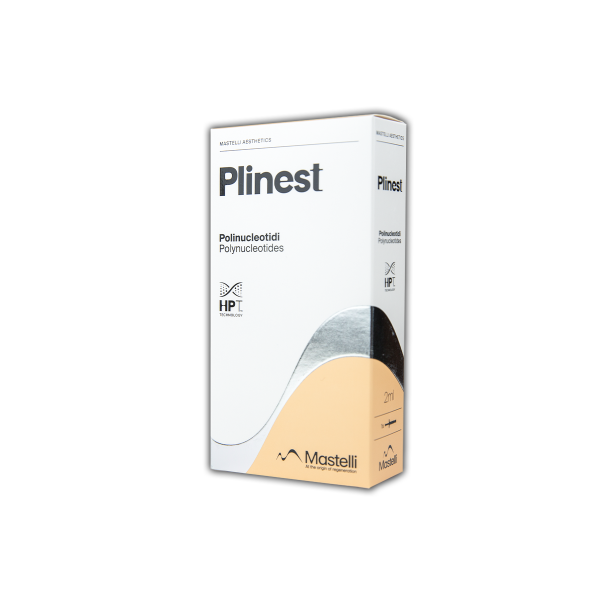
Plinest Skin Booster 1x2ml
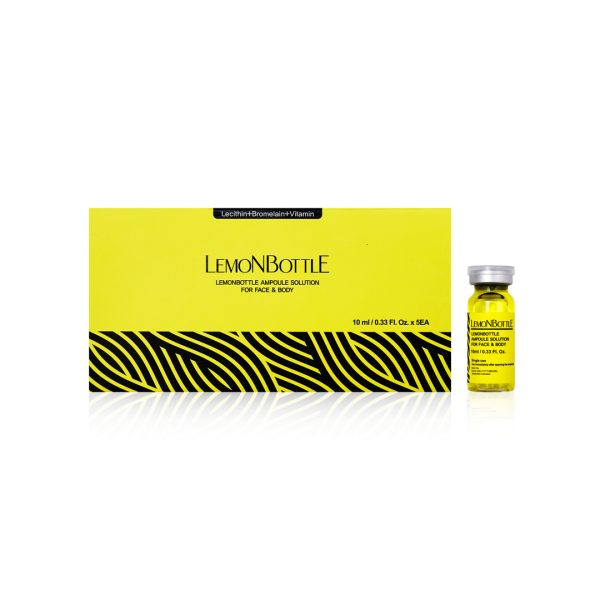
Lemon bottle, 5 Vials in a box
Sharpsafe 5 Litre Sharps Container
PLINEST Eye 1x2ml
Recently Viewed Products
LUMIFIL® Lite
LUMIFIL® Max
LUMI-PRO Eyes
Lumifil LUMI-PRO Skin Booster (3 Pack)